12/08/2026
Institute of Vietnam and World Economy Holds Working Session with Thailand’s International Institute for Trade and Development
Bangkok, Thailand, August 11, 2026 – As part of the national-level science and technology research project entitled “Changes in the Economic Security of Major Powers in the New Context and Policy Implications for Vietnam,” a delegation from the Institute of Vietnam and World Economy (IVAWE) held a working session with the International Institute for Trade and Development (ITD) under Thailand’s Ministry of Commerce.
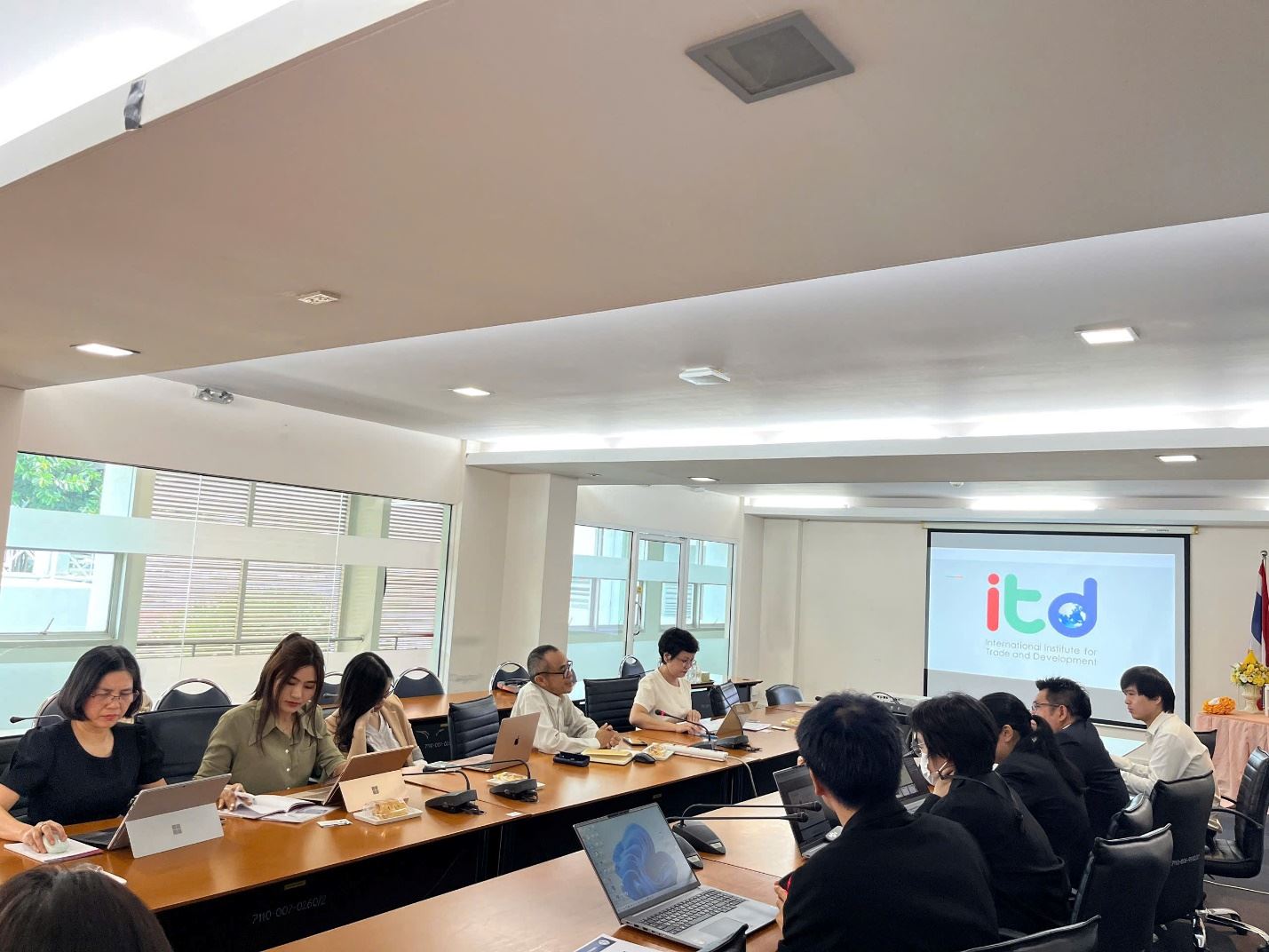
Attending the meeting from ITD were Mr. Wimon Punkong, Deputy Executive
Director; Ms. Sirikan Prasertying, Director of the International Cooperation
Office; Ms. Patcha Thamrong-ajariyakun, Senior Researcher; and other research
staff. IVAWE’s representatives included Ms. Ha Thi Hong Van, Deputy Director
and Project Leader; Mr. Le Xuan Sang, Deputy Director; Ms. Nguyen Hong Thu,
Head of the Division of International Economics and Integration; and other
members of the delegation.
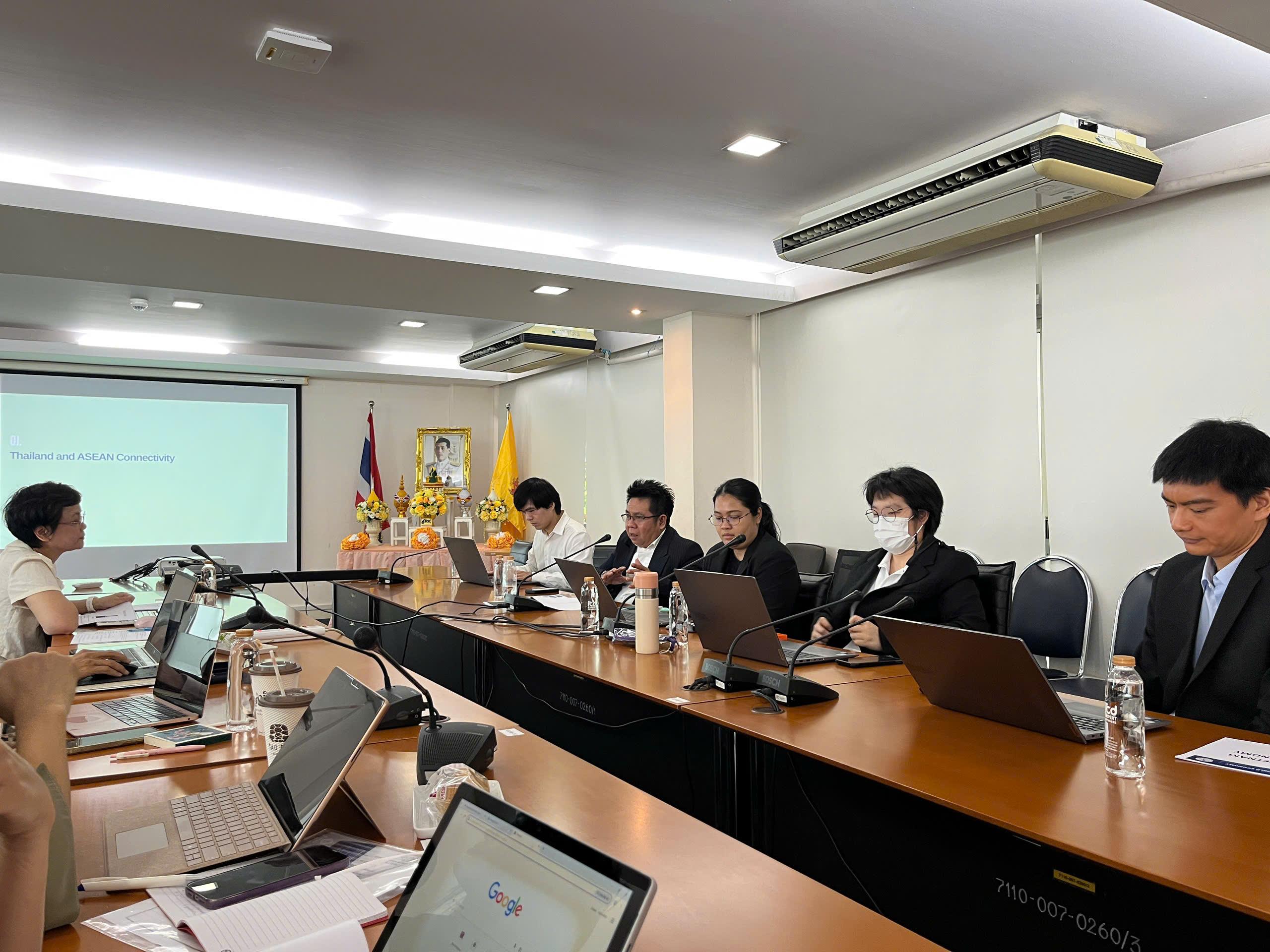
During
the working session, ITD provided an overview of Thailand’s economic
development, with particular emphasis on trade and investment, the innovation
system, and the digital economy. The presentations highlighted that Thailand’s
model of economic integration has been built on a combination of regional
connectivity through ASEAN and deeper integration into the global trade
network. In this context, the development of trade, economic corridors, digital
connectivity, and emerging supply chains has become an increasingly important
driver, helping Thailand strengthen its position as a manufacturing, trading,
and economic connectivity hub in Southeast Asia. At the same time, the growing
volume of trade with the United States, China, Japan, and partners outside
ASEAN demonstrates that Thailand remains significantly dependent on global
markets and global value chains.
Against a backdrop of growing global pressures arising
from geopolitical conflicts, trade competition among major powers, inflationary
trends, and shifts in global supply chains, Thailand continues to emerge as an
attractive new investment destination. However, Thailand also faces a key
challenge in the coming period: transitioning from basing primarily their advantages
on its geographical location and manufacturing capacity toward those grounded
in technology, innovation, value addition, and supply chain resilience.
Accordingly, Thailand’s FDI policy is not solely focused on attracting a larger
number of new FDI projects, but also places greater emphasis on attracting FDI
accompanied by the upgrading of production capabilities and technology, with
the aim of increasing the localization of supply chains, upgrading industries,
and repositioning critical production activities.
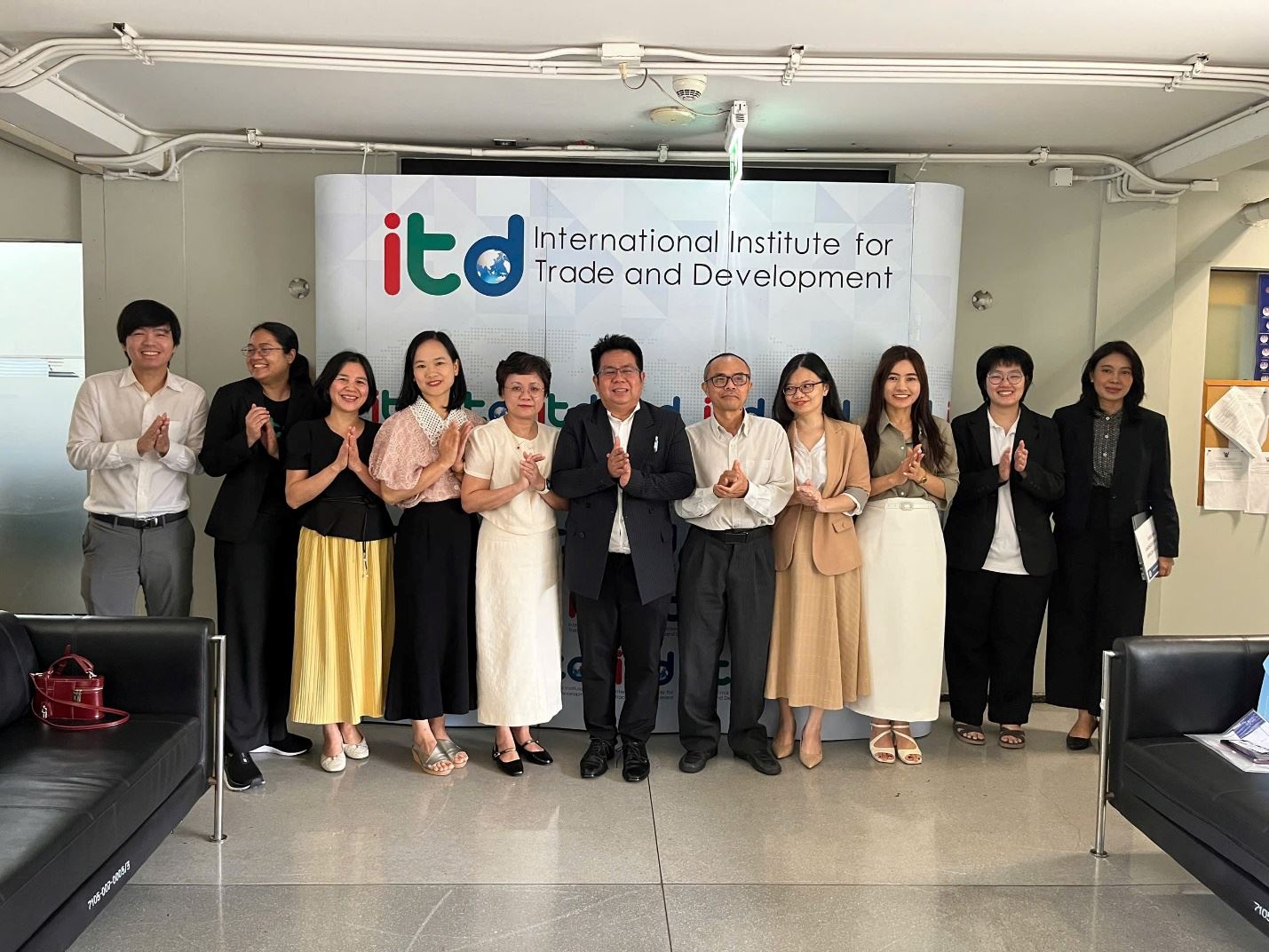
The participants devoted considerable time to
discussing the impact of the current global context on the transformation of
the globalization model, from a highly integrated system based on cross-border
supply chains toward a more polycentric and regionalized model that places
greater emphasis on supply chain resilience. They also exchanged views and
discussed measures to strengthen the resilience of the economies of both
countries.
The discussions
between the two sides during the working session were highly meaningful and
practical, contributing to a deeper understanding of economic and trade
development policies, as well as measures to enhance the resilience of the Thai
economy amid major global economic and geopolitical changes. At the same time,
the meeting provided an opportunity for both sides to share and exchange
scientific knowledge and perspectives, laying the groundwork for effective
academic and research cooperation in the future.